

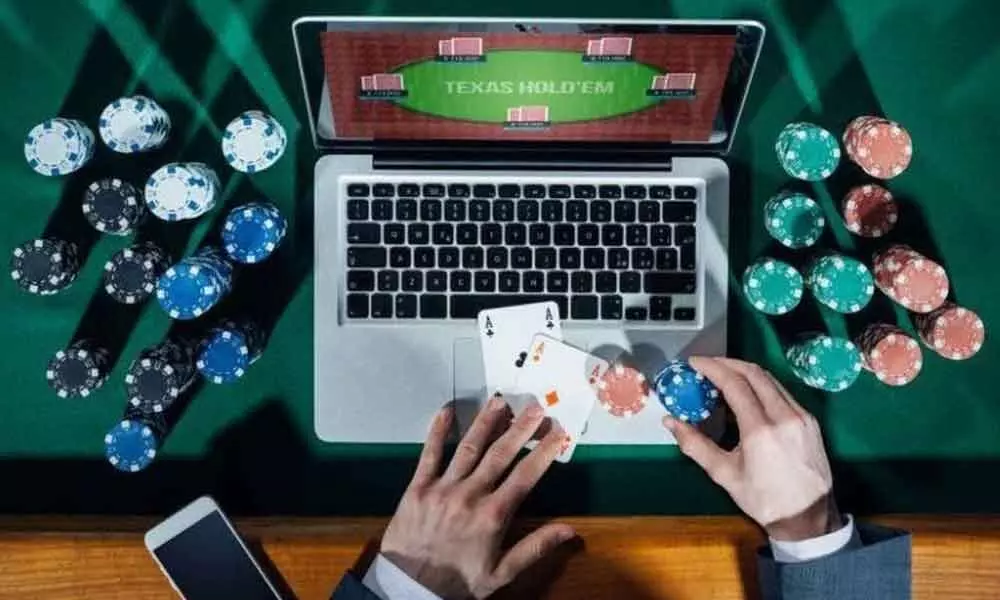
Some gamblers believe that past outcomes affect future results in games of chance. People think chance events balance out quickly, which is not how probability works. Every spin, roll, or card draw is independent in most gambling games. The outcome does not remember what happened before. The roulette wheel doesn’t know it hit red five times.
Why This Thought Feels So Convincing
The Gambler’s fallacy feels true because it taps into how we see patterns. Humans like balance and expect fairness. We start to think a correction is coming when something feels off. It is a shortcut our minds take to feel in control of random outcomes.
This thinking also shows up outside of casinos. People flip a coin and think a streak of heads means tails are around the corner. But each flip still gives a 50/50 chance. Casinos take full advantage of this mental trap by showing past results on boards or screens to push players toward false predictions.
Where It Hits Your Wallet
The problem with the Gambler’s Fallacy is that it affects decision-making. You bet more when you assume certain results are due. You chase outcomes that do not have better odds than the ones before. It feels like a strategy, but it is not based on math. This approach can drain your bankroll faster than you expect over time.
Slot players fall into this trap often. They feed money into machines that have not paid out in a while, thinking a win is coming soon. But slot machines use random number generators. The system resets every time, and past spins don’t improve your odds.
Games Where the Fallacy Shows Up Most
It’s common to see people bet against long streaks, like always betting black after a run of reds. The same thing happens with dice games, where players start calling for certain numbers just because others have shown up more.
The fallacy also occurs in card games like blackjack. A player may think low cards must be coming because high ones keep showing. But each hand stands alone unless you count cards and track the deck.
What You Can Do Instead
Awareness is the first step to avoid falling into this gambling trap. Know that random means random. Casino games are built on independent events. Understanding this can stop you from chasing streaks or feeling like you are due for a win. You should stick to a budget and a plan. Make bets based on the rules and limits you set.
How Casinos Encourage the Fallacy
Casinos know how powerful the Gambler’s Fallacy is, so they design games and environments to play into it. For example, electronic roulette displays frequently show the last 10 to 20 results, making it easier for players to spot streaks and predict reversals. Slot machines might show near-misses that make you feel like a win is just one spin away. These cues feed the illusion that you can outguess randomness, nudging you to stay longer and bet more based on flawed logic.
Avoiding the Trap in Real Life
Reminding yourself that each event is independent can help you avoid costly mistakes. You should pause and check the facts when you catch yourself thinking a certain outcome has to happen soon. There is no pattern to predict.